
The Business Traveller's Guide to Eating Well in Dubbo
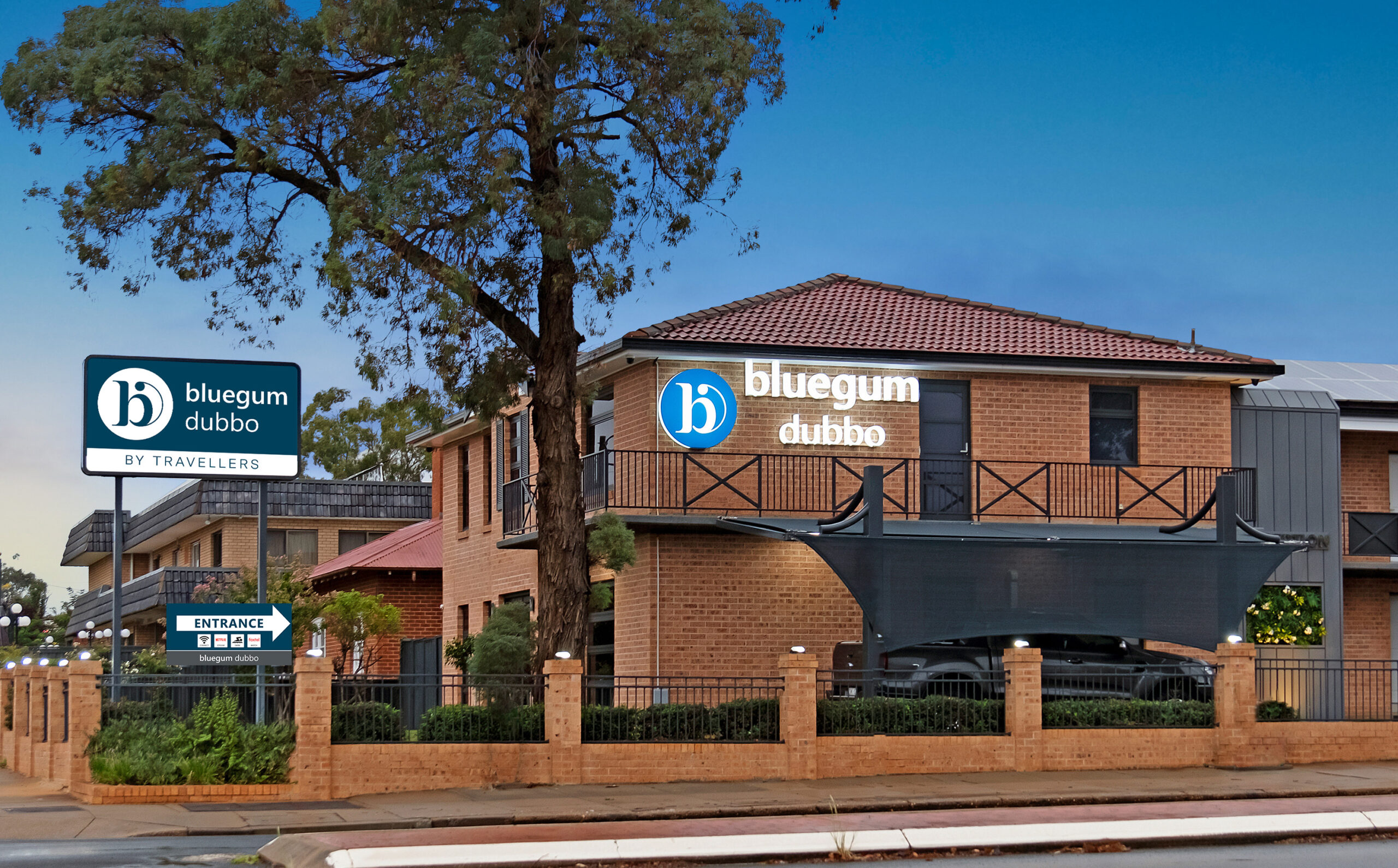
Five days of takeaway Thai and pub schnitzels is how most business travellers eat in regional cities. The pattern establishes itself by Tuesday — the same three delivery options rotating through the same tired menu, the nutritional quality declining with each successive meal, and the cumulative effect of five days of sodium-heavy, vegetable-light convenience food manifesting as fatigue, poor sleep, and the general physical heaviness that makes the Friday drive home feel longer than the Monday drive out. Dubbo offers a fundamentally better approach for any business traveller willing to invest five minutes of planning on arrival day and use the kitchenette that their self-contained room provides.
The Weekly Pattern
The approach that experienced Dubbo business travellers have refined through repeated placements alternates self-catering and dining out across the week, providing both economy and variety without requiring the cooking commitment that a full week of kitchenette meals would demand. Monday evening: arrive, buy a scotch fillet from the Dubbo butcher, a bag of pre-mixed salad, and a bottle of Mudgee shiraz from the bottle shop. Cook in the kitchenette using the method that produces a better steak than most restaurants: high heat, salt and pepper, three minutes per side, five minutes rest. Total cost: $25-$30. Quality: excellent. The first evening establishes the self-catering baseline that the week builds from.
Tuesday: eat at one of the city centre restaurants. The steak or the lamb, reflecting the pastoral country that surrounds the city and supplies the kitchen. Budget: $40-$55 with a glass of wine. The restaurant meal provides the social atmosphere, the variety, and the someone-else-cooked-it pleasure that pure self-catering lacks. Wednesday: self-cater again — lamb cutlets from the butcher, roasted vegetables from the supermarket's prepared range, the remaining Mudgee wine from Monday's bottle. Thursday: try the Thai or Indian for the flavour variety that four consecutive steak dinners, however excellent, cannot provide. Friday: the pub bistro for the honest steak-and-chips in the social atmosphere of a working regional pub on a Friday evening, which provides the communal wind-down that the week's solo dinners did not.
The Economics
The self-catered meals cost $15-$30 each, covering the butcher's steak or cutlets, a salad or vegetable side, and a glass of wine from a bottle that serves three to four evenings. The restaurant meals cost $40-$60 each with a drink. Three self-catered dinners and two restaurant dinners produce a weekly dinner spend of approximately $125-$190. The alternative — five restaurant or takeaway dinners — costs $200-$300 per week. The saving of $75-$110 weekly is meaningful over a multi-week assignment, but the more significant benefit is nutritional: the self-catered meals include fresh vegetables, controlled protein portions, and the dietary quality that takeaway and pub food do not reliably deliver. The business traveller who self-caters three nights per week arrives home on Friday feeling measurably better than the one who ate out every night, and the difference accumulates across the multi-week assignments that Dubbo's government, healthcare, and corporate travel patterns regularly produce.
Breakfast
The kitchenette breakfast is the most valuable meal of the day for business travellers because it eliminates the 7am cafe queue, provides the timing flexibility that early meetings demand, and costs a fraction of the cafe equivalent. Eggs on toast from the kitchenette at 6:30am: three minutes of preparation, $2-$3 in ingredients. The same meal at a cafe: 15 minutes of waiting, $18-$22 with coffee. The kitchenette coffee — plunger or pod, depending on equipment — is adequate for the functional caffeine delivery that the morning requires, with the cafe-quality flat white reserved for the mid-morning break when time permits and the social dimension justifies the premium. Stock the kitchenette on arrival day: eggs, bread, milk, cereal, fruit, coffee. The five-minute supermarket run on Monday evening eliminates five morning decisions across the week and saves $60-$80 in breakfast costs alone.