
Bringing Grandparents to the Zoo: A Multi-Generational Guide
A multi-generational zoo visit — grandparents, parents, and children sharing the Taronga Western Plains Zoo — is one of the most rewarding family experiences the zoo provides and one of the most logistically complex to execute well. The challenge is not the zoo, which is designed for diverse visitors. The challenge is managing the different physical capabilities, pace preferences, energy levels, and interest priorities of three generations without creating the friction that turns a family outing into a negotiation exercise punctuated by the words "you go ahead, we'll wait here" repeated at increasing frequency until the group fragments into subgroups that experience the zoo separately and defeat the purpose of coming together.
The Transport Solution
The zoo offers electric cart tours for visitors with mobility limitations, and this is the single most important booking for a multi-generational visit. The cart covers the full zoo circuit at a comfortable pace with scheduled stops at major enclosures, providing grandparents with the access that the five-kilometre distance would otherwise deny. The cart is not a consolation prize for those who cannot cycle — it is a different and in some ways superior experience, with the driver providing commentary and the elevated seating providing sight lines that ground-level cycling does not match.
Parents and older children cycle alongside, meeting the cart at the enclosures where it stops. The parallel-transport approach allows each generation to move at its own pace between stops while converging at the experiences that everyone shares. Younger children ride in bicycle trailers attached to parent bikes. Teenagers cycle independently, which provides the autonomy that teenagers require and that family groups often deny them. The result is a group that travels in parallel rather than in a single-speed convoy, and reconvenes at the enclosures where the shared experience actually happens.
The Shared Highlights
The keeper talks are the multi-generational highlight because they provide the seated-together, shared-focus experience that creates the common memory the trip is designed to produce. All three generations seated in the same area, watching elephants or giraffes at close range, listening to the keeper's stories about individual animals — this is the moment that appears in the photograph album and the family conversation for years afterward. Plan the day around two or three keeper talks. Check the schedule at the zoo entrance. The elephant and giraffe talks are the strongest for multi-generational groups because the animals are large enough to be visually impressive from any seated position and the keeper stories are engaging across age groups.
Between keeper talks, the group can flex: parents and children cycling to the enclosures that children's energy and interest dictate, grandparents on the cart covering the circuit at their pace, everyone meeting at the next scheduled talk. The flexibility prevents the pace conflict that single-group movement creates, where grandparents feel rushed, children feel restrained, and parents mediate between two sets of competing needs with diminishing patience and increasing volume.
Practical Management
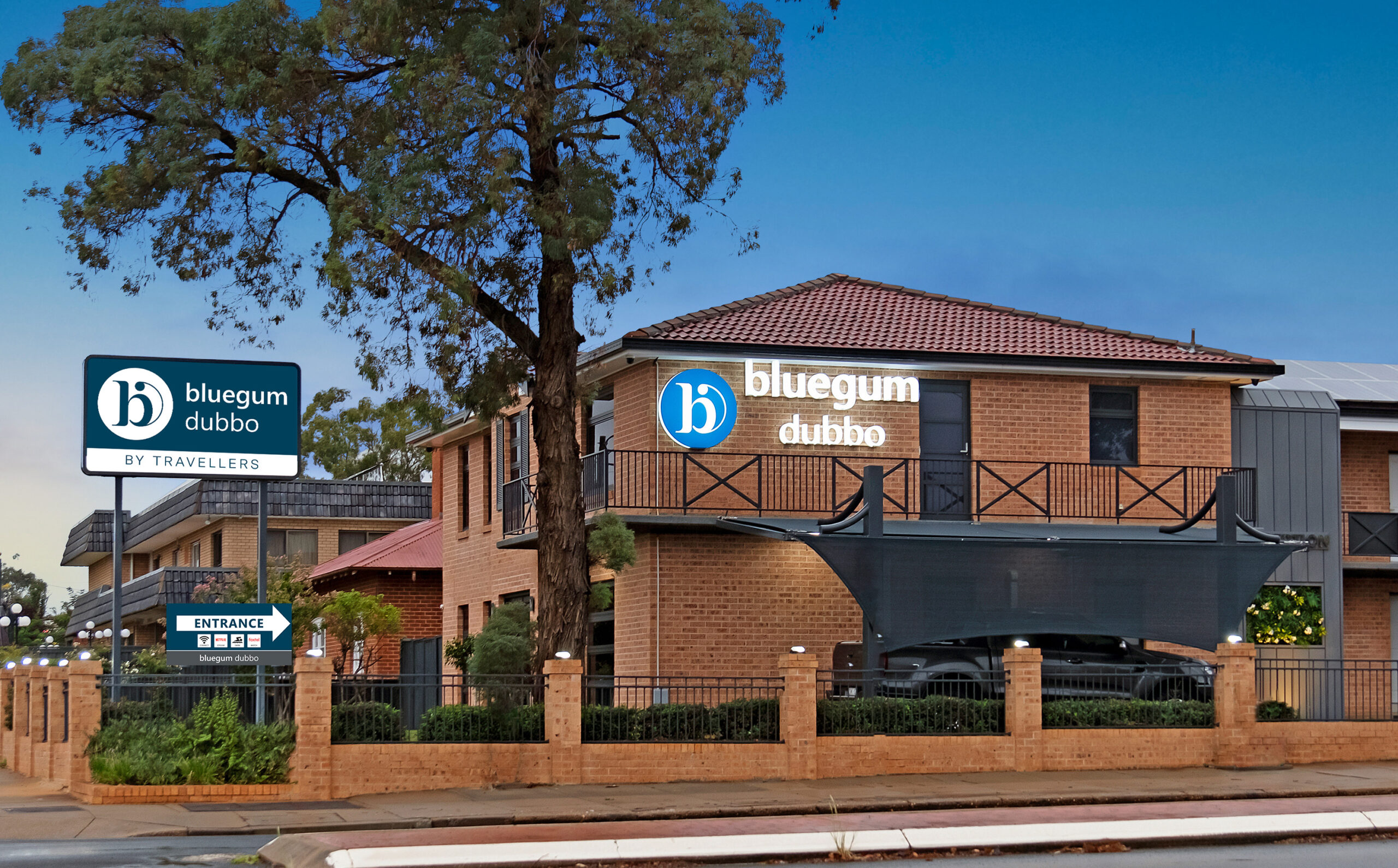
Morning start at zoo opening, when temperatures are comfortable for all generations and animal activity is highest. Pack lunch from the kitchenette — the family picnic at the zoo's designated areas is cheaper, more flexible, and more accommodating of the dietary preferences that three generations inevitably contain than the zoo cafe queue with twelve people trying to order simultaneously. Mid-afternoon departure allows grandparents to rest at the accommodation before dinner while parents and children use the pool for the energy release and cooling that the day's exertion demands. Self-contained accommodation with a kitchenette supports the easy family dinner that a restaurant visit with tired children and tired grandparents — a combination whose explosive potential increases exponentially with each passing minute past 6pm — would almost certainly sabotage. A second zoo day for parents and children catches what day one missed, while grandparents enjoy a rest day with the river walk and the cultural centre at their own pace.