
Healthcare Workers: Making the Most of Your Dubbo Placement
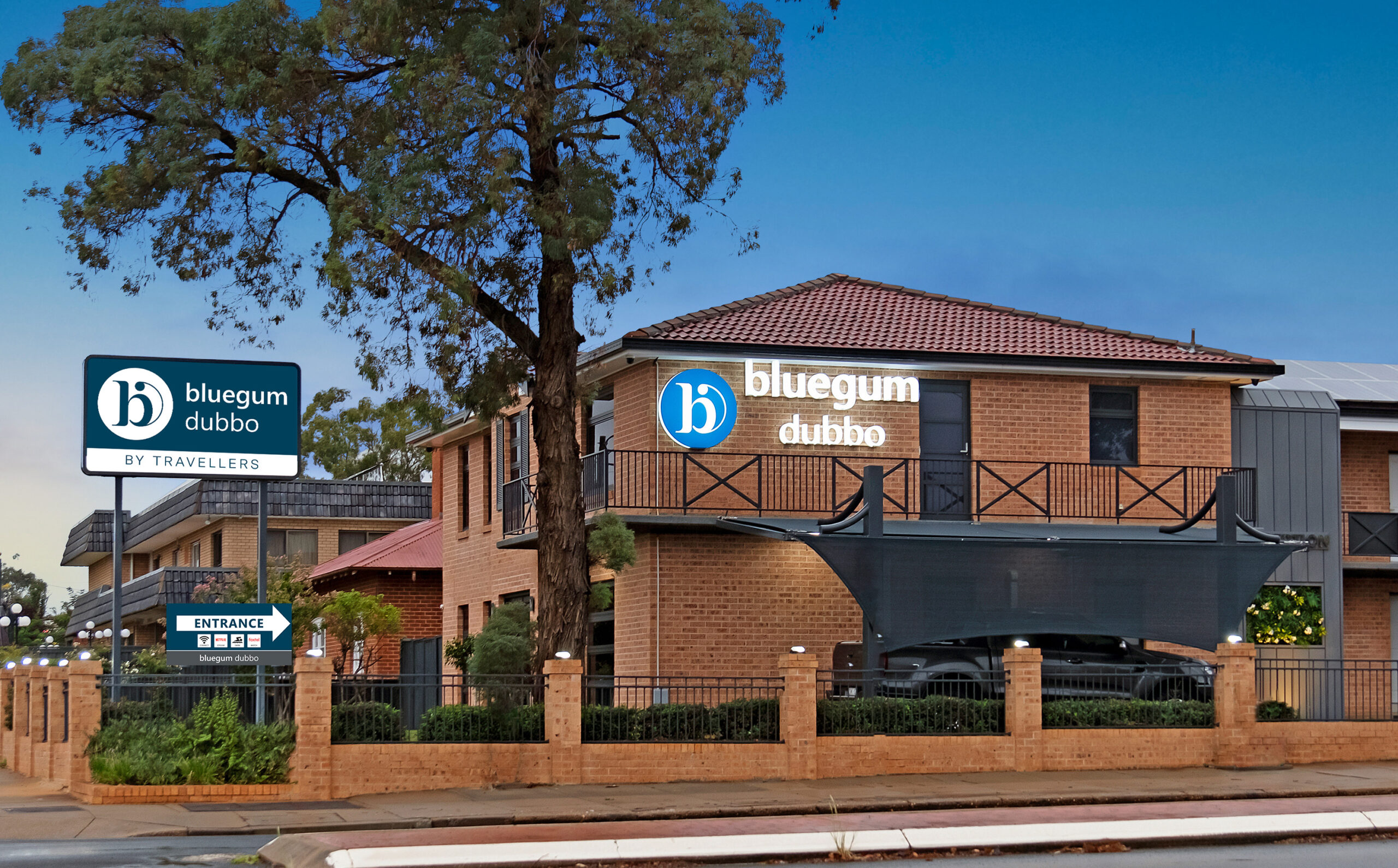
You have arrived in Dubbo for a placement at the hospital — a locum rotation, an agency nursing contract, a visiting specialist assignment, or one of the various clinical roles that Dubbo Base Hospital recruits for regularly because the regional healthcare system depends on a steady supply of visiting professionals to maintain the breadth of services that a population of 40,000 and a catchment area many times larger requires. The town is unfamiliar. The room is not home. The shifts have not yet established the rhythm that will carry you through the weeks ahead. And the question that every healthcare worker on a regional placement asks silently during the first evening — will this be tolerable or will it be something better? — depends almost entirely on the decisions you make in the first 48 hours.
Establish the Routine Immediately
The difference between a placement that works and one that merely passes is routine. Not the clinical routine, which the hospital establishes on your first shift, but the domestic routine that determines whether your time outside the hospital is comfortable or chaotic. Day one, before the first shift: stock the kitchenette from the supermarket. Buy the basics — cereal, milk, eggs, bread, coffee, fruit, and a scotch fillet from the Dubbo butcher that will become your reward dinner after the first shift ends. Set the laundry schedule before the first load of scrubs accumulates into a weekend crisis. Find the Macquarie River walking path and walk it — twenty minutes in any direction provides the orientation to the city that the drive from the airport did not, and the exercise baseline that sustains both physical fitness and mental wellbeing across weeks of shift work.
The kitchenette transforms the placement economics and the dietary quality simultaneously. Self-catered meals cost $10-$25 each versus $35-$55 eating out, and over a four-week placement the cumulative saving is $600-$1,200 that either stays in your pocket or funds the Mudgee wine trip that makes the placement memorable beyond the clinical hours. More importantly, the self-catered meals provide the nutritional quality — protein, vegetables, controlled portions — that shift workers need and that 11pm takeaway food after a late shift does not deliver. The 5am breakfast before an early shift, assembled from the kitchenette supplies in three minutes, is the meal that no restaurant provides and that your body requires before twelve hours of clinical work.
The Clinical Experience
Dubbo Base Hospital operates with a scope of practice broader than most metropolitan facilities. The patient population is diverse: urban residents, farming families whose nearest alternative hospital may be hours away, Indigenous communities with specific health profiles and cultural considerations, and highway travellers whose medical events occur far from their home health services. The clinical decision-making is more independent than metropolitan hospitals typically allow, because the specialist backup that capital city hospitals access with a phone call may be hours or days away in a regional setting, and the clinician on shift makes decisions that metropolitan protocols would defer upward.
Embrace this scope rather than resisting it. The breadth of clinical experience that regional placements provide — the range of presentations, the independence of decision-making, the multi-disciplinary collaboration that smaller teams produce — is the career-development advantage that justifies the time away from home. The learning curve on regional demographics, Indigenous health considerations, and the practical realities of rural medicine is steep but rewarding, and the clinical confidence that regional experience builds is recognised and valued by employers for the rest of your career.
Beyond the Hospital
The placement passes faster and produces better outcomes — clinical, personal, and professional — when treated as an experience rather than an obligation. On days off: the zoo fills a full day with a world-class wildlife experience that you will not find in any capital city. The Mudgee wine region provides the weekend escape that every healthcare worker deserves after five consecutive shifts. The Old Dubbo Gaol provides heritage that every first-time visitor underestimates. The river walk at sunset provides the daily decompression that clinical work demands and that the motel room alone cannot deliver. Engage with colleagues socially — accept the coffee invitations, the after-shift drinks, the weekend activity suggestions. The professional relationships built during regional placements become career assets that persist long after the drive home, and the personal connections make the weeks pass in the way that isolated room-dwelling does not.