
Why We Love Hosting Construction Crews and How to Book
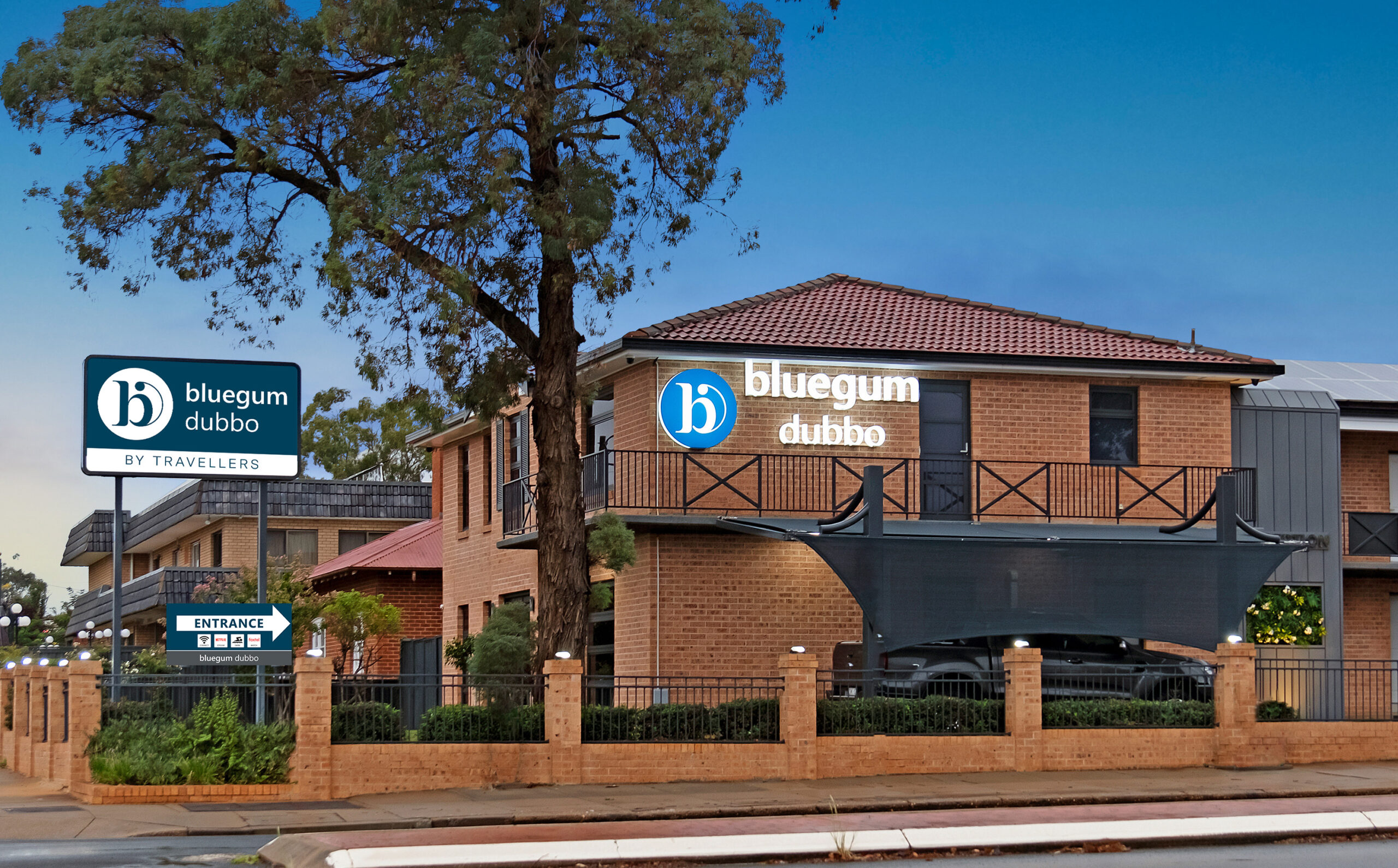
Construction crews are among our most valued regular guests, and the reason is both simple and instructive about what good accommodation actually means in a working context. The relationship between accommodation quality and worksite performance is not abstract — it is direct, measurable, and consequential. A crew that sleeps well in air-conditioned rooms, eats properly from equipped kitchenettes, and recovers effectively from each day's physical demands arrives on site alert, physically capable, and safe. A crew that sleeps poorly in inadequate rooms, eats badly from limited takeaway options, and accumulates fatigue across weeks of placement makes the errors, sustains the injuries, and experiences the turnover that costs construction projects far more than the accommodation saving that produced them.
What Construction Crews Need
The requirements are not complicated. They are practical, specific, and entirely determined by the realities of physical work in Dubbo's extreme climate. Air conditioning that manages both directions of Dubbo's temperature range is the foundation: the 40-degree summer days that cook the body after eight hours of outdoor work, and the near-freezing winter mornings that stiffen every joint before the first task begins. The air conditioning must hold 22 degrees through summer nights consistently and quietly — without the cycling on-and-off that fragments sleep — because the recovery from heat-stressed physical work requires genuine cooling, not the tepid compromise that undersized systems deliver when the exterior temperature exceeds 38 degrees. In winter, the same system must heat the room to comfortable sleeping temperature when the outside air drops to 2-3 degrees, because workers who wake cold, stiff, and uncomfortable start every day at a physical disadvantage that the first two hours on site cannot overcome.
Hot water must handle the simultaneous demand that post-shift showering creates. Six workers arriving between 5pm and 5:30pm all need hot showers before anything else, and a hot water system that delivers to the first three rooms and tepid water to the remaining three fails half the crew every evening — creating a frustration that sounds minor in description and feels significant in experience after ten hours of physical work in 38-degree heat. A kitchenette with a microwave, fridge, toaster, kettle and basic utensils supports the reheating and simple self-catering that physical work demands at times restaurants do not serve. A 5am start means breakfast at 4:15am, which no restaurant in Dubbo or anywhere else provides. A wash, dry and fold laundry service (Monday to Saturday) handles the dirty work clothes construction generates daily — the crew hands over a bag rather than fighting over a machine after a shift. Free, CCTV-monitored undercover parking suits standard vehicles including utes, while trailers and oversized work vehicles use street parking nearby — flag what you're bringing when you book.
How to Book a Crew
The booking starts with a phone call — not a platform search, not an email inquiry, but a conversation that establishes the relationship. We set up a corporate account with agreed rates for the project duration, providing budget certainty that nightly rack rates and platform pricing cannot offer. The account includes consolidated monthly invoicing with ABN and GST properly separated for the project's accounts payable process, purchase order referencing for the procurement system, and a named property contact who handles maintenance requests, room issues, and the operational logistics that multi-worker bookings generate throughout a placement.
We allocate adjacent rooms for crew cohesion — workers who can walk to a colleague's room for a conversation, share a barbecue dinner on the property, or simply know that someone from their team is next door maintain the social connection that sustains morale during extended placements away from home and family. We communicate the crew's schedule to our other guests — particularly the 5am departures that require quiet corridors — and manage expectations across the property to minimise friction. The result is an accommodation arrangement that supports the project rather than complicating it, and that treats the crew's comfort as the performance investment it genuinely is rather than the cost line to be minimised that the wrong procurement approach assumes.