
How Far Is Dubbo from Everywhere? The Complete Distance Guide
Dubbo's central position in New South Wales makes it accessible from multiple directions and positions it as the natural hub for exploring the central west, the western plains, and the transition zone between coastal Australia and the genuine outback. Understanding the distances and drive times to and from Dubbo is essential for trip planning, because the difference between a comfortable day trip and an exhausting marathon is determined entirely by whether you knew the actual travel time before you committed to the journey.
Getting to Dubbo
From Sydney: 400 kilometres, four to five hours via Bathurst on the Mitchell Highway. This is the most common origin for Dubbo visitors and the drive that defines the transition from coastal to inland Australia. The route crosses the Blue Mountains — the scenic highlight of the journey — descends to the western slopes, passes through Bathurst with the optional Mount Panorama detour, and continues across the increasingly flat country that announces the western plains. The alternative route via Mudgee adds 30-60 minutes but passes through wine country and provides the cellar-door stop that the Bathurst route does not offer. From Melbourne: 850 kilometres, approximately nine hours via the Newell Highway through Wagga Wagga, West Wyalong, and Forbes. A long single-day drive that benefits from an overnight break at any of the midpoint towns. From Brisbane: 750 kilometres, approximately eight hours via the Newell Highway through Moree, Narrabri, and Coonabarabran. From Canberra: 400 kilometres, approximately five hours via Cowra and Orange. From the Dubbo airport: one-hour flights to Sydney eliminate the drive entirely.
Day Trips from Dubbo
Mudgee wine region: 170 kilometres, two hours south-east through the central western ranges. Comfortable day trip with three cellar doors and village lunch. Wellington Caves: 55 kilometres, 50 minutes south on the Mitchell Highway. Easy half-day trip for spectacular limestone formations. Orange: 200 kilometres, two and a half hours south-east. Food and wine destination with acclaimed restaurants. Bathurst: 210 kilometres, two and a half hours south-east. Mount Panorama motor racing circuit, heritage city. Coonabarabran and the Warrumbungle Ranges: 160 kilometres, one and a half hours north. Bushwalking, volcanic rock formations, Siding Spring Observatory. Gulgong: 130 kilometres, one and a half hours south-east via Mudgee. Heritage gold-mining town with colonial streetscapes.
Longer Drives from Dubbo
Lightning Ridge: 550 kilometres, six to seven hours north-west. The black opal mining town and genuine outback experience. Minimum two-day trip with overnight in Lightning Ridge. Bourke: 370 kilometres, four to five hours north-west. The definition of "back o' Bourke" — outback heritage and the Darling River. Minimum two days. Broken Hill: 750 kilometres, seven to eight hours west. Mining heritage, art galleries, the Sculpture Symposium, and the genuine Australian interior. Minimum three days. Each of these drives requires fuel management, water supply, and the understanding that services become sparse beyond the midpoint towns.
The Hub Strategy
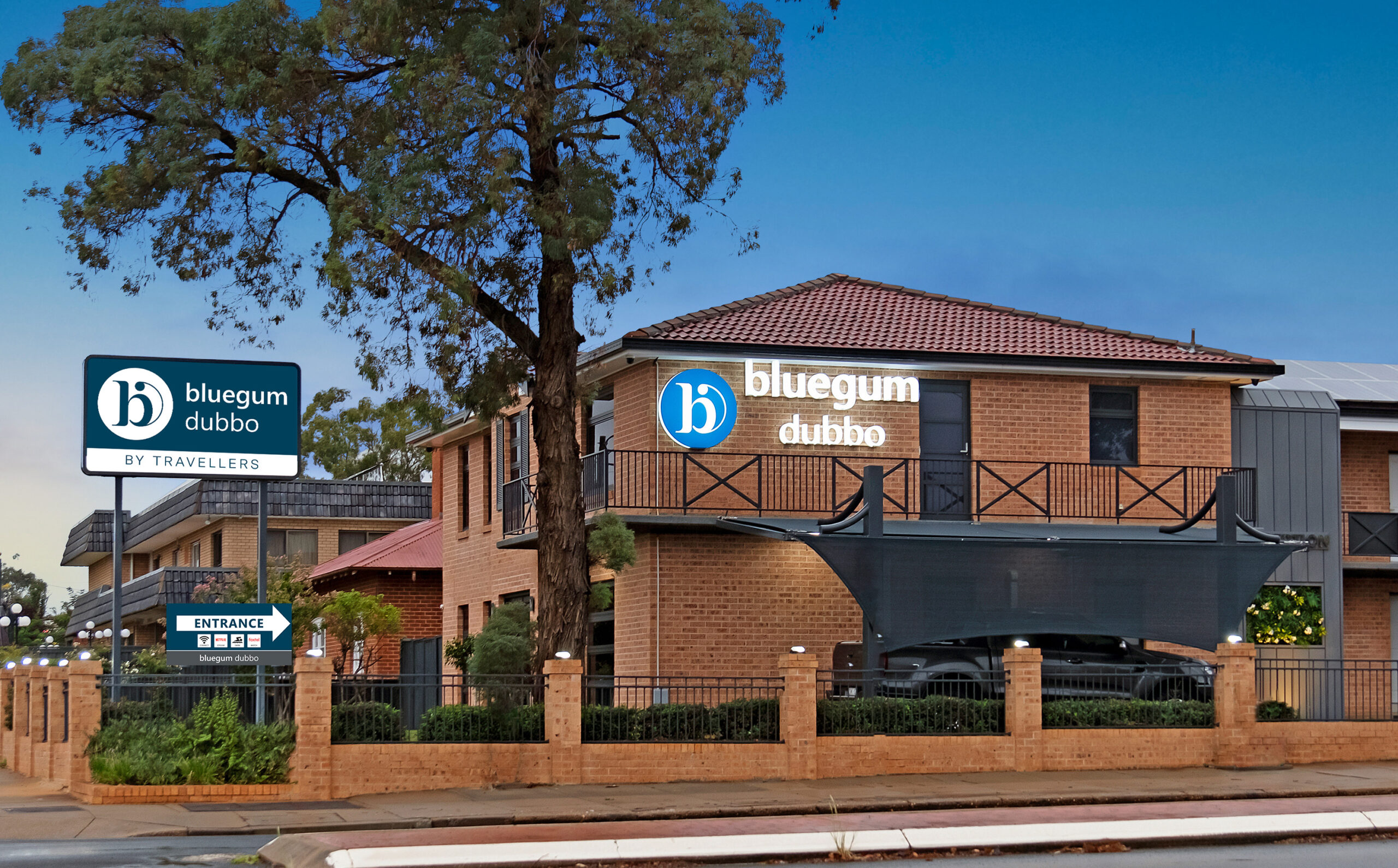
The practical implication of Dubbo's position is that a week based in the city with day trips covers an extraordinary range of landscape, experience, and regional character without changing accommodation. The self-contained room with the kitchenette, the pool, and the stocked fridge serves as the daily base that you return to each evening after the day's exploration — whether that exploration was a two-hour drive to Mudgee's cellar doors, a 50-minute drive to Wellington's caves, or a 90-minute drive to the Warrumbungle Ranges. The hub strategy eliminates the packing and unpacking, the accommodation-finding, and the disrupted routine that itinerant travel imposes. It provides the stability of a base with the variety of a different destination each day, and Dubbo's crossroads position makes it the strongest hub location in central western New South Wales.