
How to Plan a Mudgee Wine Day Trip from Dubbo
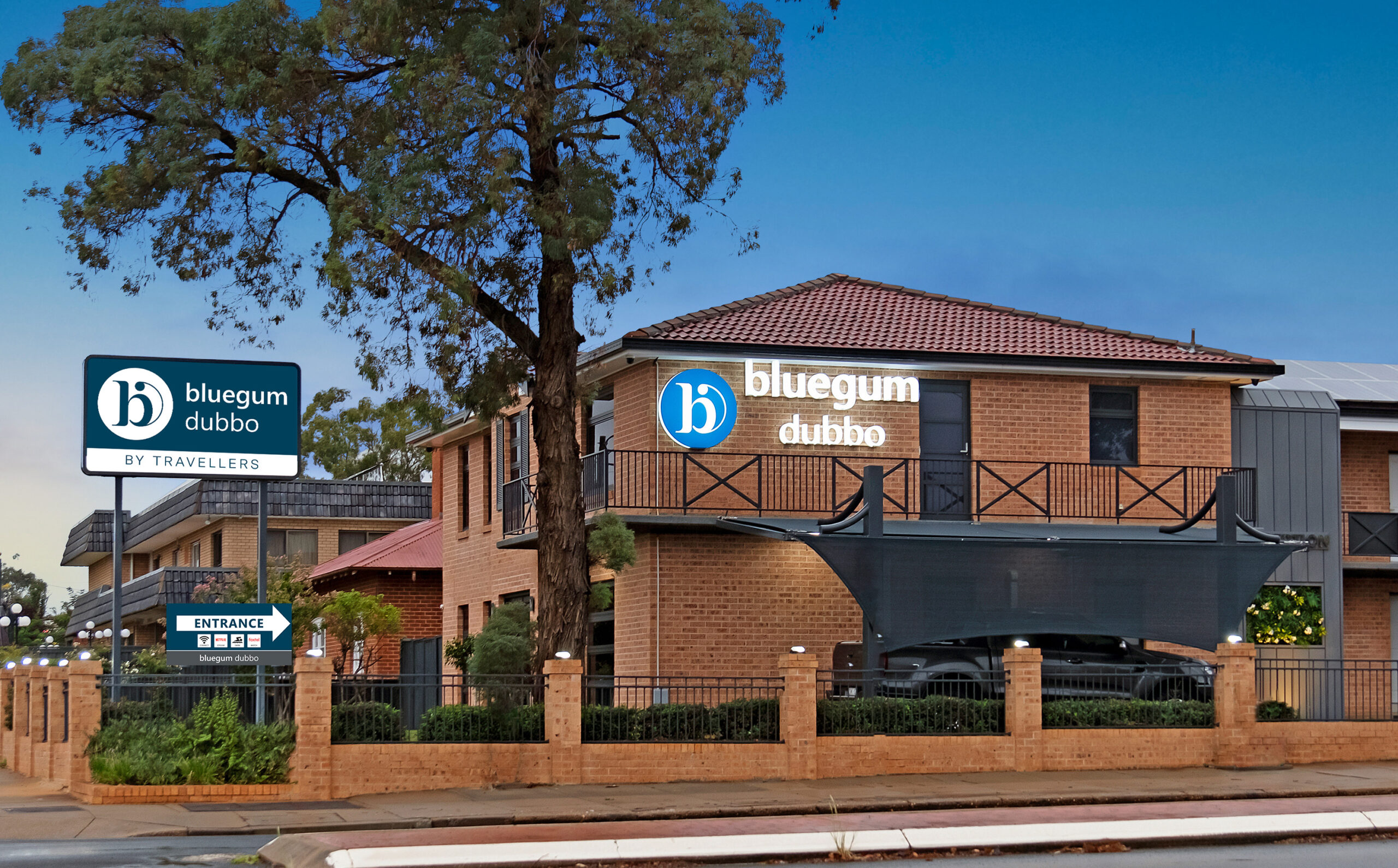
The Mudgee wine region sits two hours south-east of Dubbo through the scenic central western ranges, and a day trip from your Dubbo accommodation base combines cellar doors, village dining, vineyard scenery, and the gentle indulgence that a zoo-and-heritage itinerary needs as its counterpoint. The trip is straightforward to plan but benefits significantly from decisions made before departure rather than improvised on arrival, because the difference between a well-planned Mudgee day and an unplanned one is the difference between a curated experience and a confused drive through beautiful country with no clear destination.
The Designated Driver Question
This decision determines everything else about the day's logistics. If one member of the party is willing to abstain from wine tasting — genuinely abstain, not the optimistic plan to have just small sips that collapses at the second cellar door when the shiraz is excellent and the chardonnay is better — self-driving provides flexibility, eliminates the cost of a tour operator, and allows the spontaneous detours that a guided tour's schedule prevents. The designated driver enjoys the scenery, the food, the cellar-door atmosphere, and the satisfaction of controlling the day's timing.
If both members of a couple want to taste — and in Mudgee's cellar doors, where the wine quality makes abstention genuinely difficult and the winemakers pour with generosity that assumes you are driving nowhere soon — book a private tour operator from Dubbo. Several operators run small-group tours that provide transport, curated cellar-door selections based on your preferences, local knowledge that would take hours of online research to replicate, and the relaxed pace that comes from having no driving responsibility. The cost is reasonable relative to a day of wine tasting, and the value includes the winery access and personal introductions that independent visitors cannot arrange.
Three Cellar Doors, Not Five
Three cellar-door visits in a single day provides the variety that reveals Mudgee's range without the tasting fatigue that visits four, five, and six progressively produce. By the fifth winery, your palate is exhausted, your judgment is compromised, and you are buying wine based on the winemaker's personality rather than the wine's quality — which is sometimes a valid approach but not a reliable one.
Start with a shiraz specialist. Mudgee's shiraz is the region's headline variety: bold, generous, deeply coloured, and flavoured with the warmth and concentration that the continental climate produces. The best Mudgee shiraz competes directly with the Barossa and McLaren Vale at prices that those regions abandoned when their reputations matured. Move to a winery known for chardonnay. Mudgee's chardonnay is arguably the region's finest achievement — rich, complex, and textured without the over-oaked heaviness that the variety suffered in the 1990s. The first sip of a quality Mudgee chardonnay surprises visitors who did not know the region produced white wine at this level. Finish at a boutique operation where the person pouring the wine is the person who made it, and the conversation about vintage decisions, vineyard management, and the specific character of this year's growing season provides the depth that larger tasting rooms, with their trained staff reciting corporate descriptions, cannot match.
Lunch in the Village
Mudgee's main street provides cafe and restaurant options that use regional produce with skill and pride. The lamb comes from local flocks. The cheeses from nearby producers. The vegetables from growers whose proximity to the table is measured in minutes rather than the days that capital city distribution requires. Order lunch with a glass from the morning's favourite cellar door, and the food-and-wine pairing achieves the regional authenticity that destination dining aspires to and that only genuine proximity to production can deliver.
The Drive
The two-hour drive between Dubbo and Mudgee is part of the experience rather than the cost of reaching it. The road climbs through the central western ranges — hills, valleys, farmland, and the progressive appearance of vineyard rows that announce the wine region. The landscape is beautiful in every season: green in spring and after rain, golden in summer and autumn, and stripped to the structural beauty of bare vines and grey-brown hills in winter. The return drive in the late afternoon provides the sunset through the ranges that caps the day with the visual pleasure it deserves. Arrive back at your Dubbo accommodation with wine in the boot, a satisfied palate, and the conviction that Mudgee deserves to be mentioned alongside the Hunter Valley and the Barossa rather than beneath them.