
How to Survive a Dubbo Heatwave: Practical Strategies
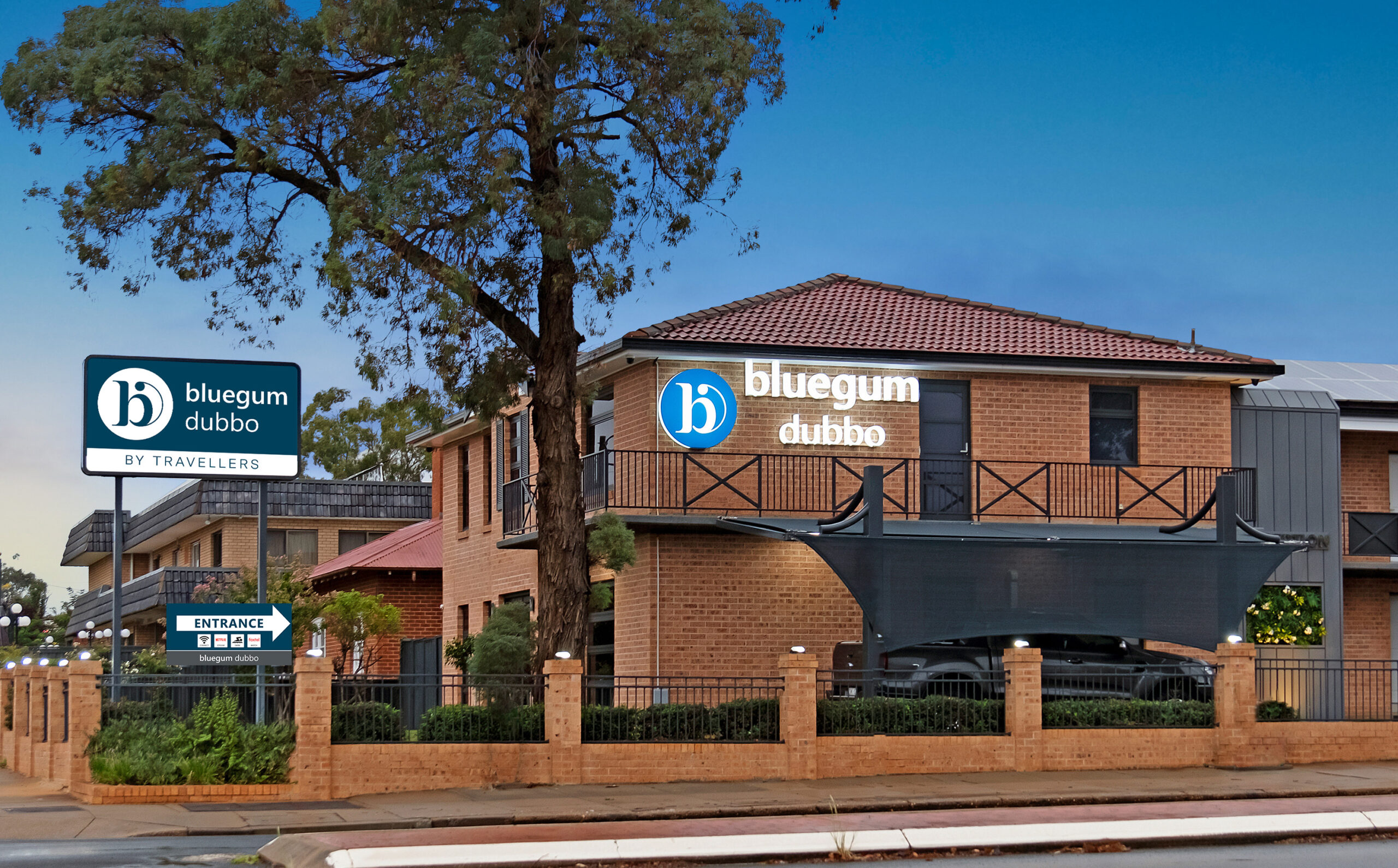
A Dubbo heatwave is not a warm spell that makes outdoor activity slightly less pleasant. It is a multi-day meteorological event where temperatures reach 42-46 degrees, the air feels like it is radiating heat from every surface rather than merely containing warmth, and the outdoor world between 10am and 5pm becomes actively hostile to human comfort in ways that coastal heat experience — softened by sea breezes, moderated by ocean proximity, tempered by atmospheric moisture — has not prepared you for. Heatwaves occur most commonly in January and February and typically last three to seven days, during which the temperature does not meaningfully cool overnight, the accumulated heat builds across consecutive days, and the body's capacity to manage thermal stress decreases with each day the heatwave continues.
The Compressed Day Strategy
The practical approach compresses all outdoor activity into the early morning and late evening windows where temperatures are below 30 degrees, and fills the dangerous middle of the day with air-conditioned indoor experiences and pool-based cooling. Zoo by 7am when the gates open and the morning air still carries the overnight cooling. Cover the major enclosures while the animals are active — the big cats that will retreat to shade by 10am are walking and alert at 7:30am, the elephants that will stand motionless by midday are foraging and interactive in the first hours. Depart the zoo by 10:30am as the heat builds toward the levels where extended outdoor activity transitions from uncomfortable to genuinely dangerous.
Old Dubbo Gaol or Western Plains Cultural Centre from 11am to 2pm — both are air-conditioned and provide genuine engagement during the hours when outside is hostile. The gaol's walk-through takes 90 minutes to two hours and delivers the heritage experience that every Dubbo visit should include, in climate-controlled conditions that make the confined cells feel oppressive for historical reasons rather than thermal ones. Pool from 3pm to 5pm — the cooling that the body demands and that air conditioning alone takes too long to deliver. The pool drops core temperature immediately, clears the heat-generated fatigue, and restores the physical baseline that the evening activities require.
River walk from 5:30pm as the temperature begins dropping and the sunset light creates the display that makes the evening walk Dubbo's most pleasant daily experience regardless of season. Dinner at 7pm when the evening has cooled to the point where outdoor dining is comfortable and the kitchen heat of self-catering is manageable. The compressed schedule delivers the same experiences as a normal-temperature day, rearranged around the heat rather than defeated by it.
Hydration and Heat Safety
Three litres of water minimum per person per day during heatwave conditions, consumed steadily throughout the day rather than in large boluses that the body processes less efficiently. The dry heat creates the insidious dehydration risk that coastal visitors are unequipped to detect: sweat evaporates immediately in the dry atmosphere rather than sitting visibly on the skin, which means the body is losing water at the same rate as in humid conditions but without the visible reminder to drink. Electrolyte supplementation during extended outdoor activity replaces the minerals that heavy sweating depletes and that water alone does not restore.
Recognise heat exhaustion symptoms in yourself and others: heavy sweating, weakness, nausea, dizziness, headache, cool and clammy skin. Respond immediately with shade, water, and active cooling — wet cloths on the skin, fan if available, rest in the coolest accessible location. If symptoms progress to heatstroke — hot and dry skin with no sweating, confusion, loss of consciousness, rapid heartbeat — call 000 immediately. Heatstroke is a medical emergency. Air conditioning in your accommodation must hold 22 degrees through the night regardless of the exterior temperature, because sleep quality during a heatwave determines whether you function safely the following day.